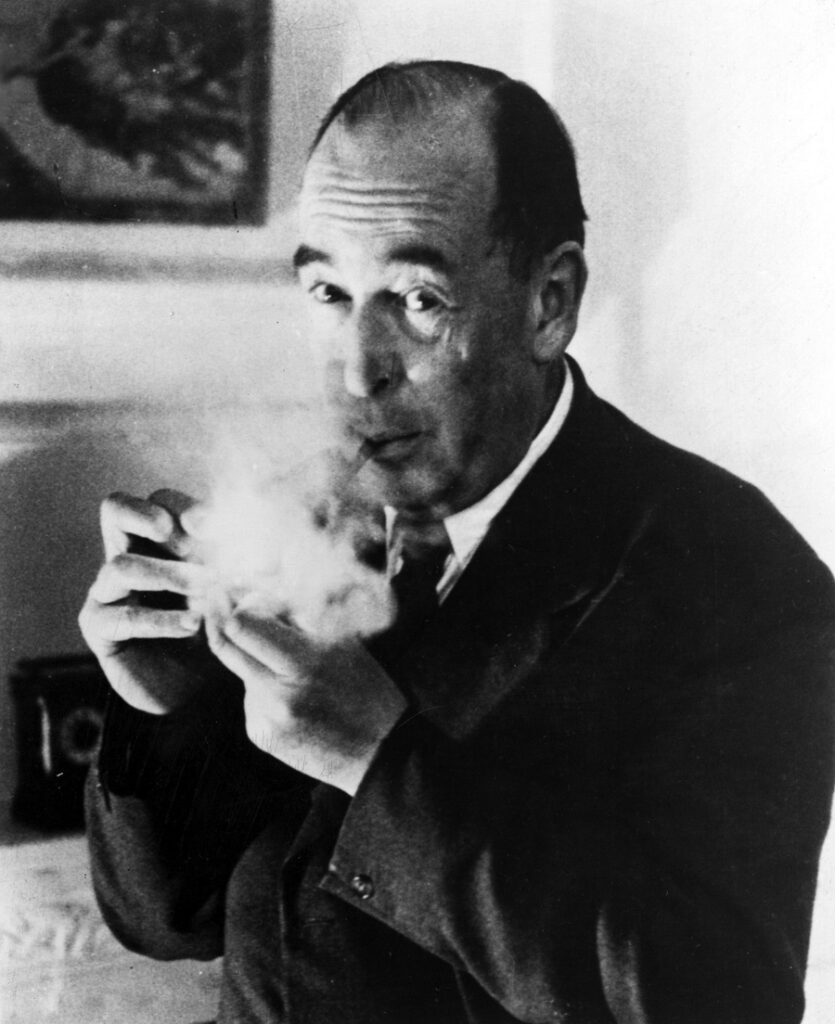
C.S. Lewis (1898 – 1963)

“Thank you.”

The author and theologian’s final spoken words were said in response to his brother Warren offering him a cup of tea, he then collapsed in his bedroom and died shortly after at age 64. Clive Staples Lewis, most remembered for penning The Chronicles of Narnia series of novels, passed away from kidney failure at his home in Oxford and was buried in Holy Trinity Church.
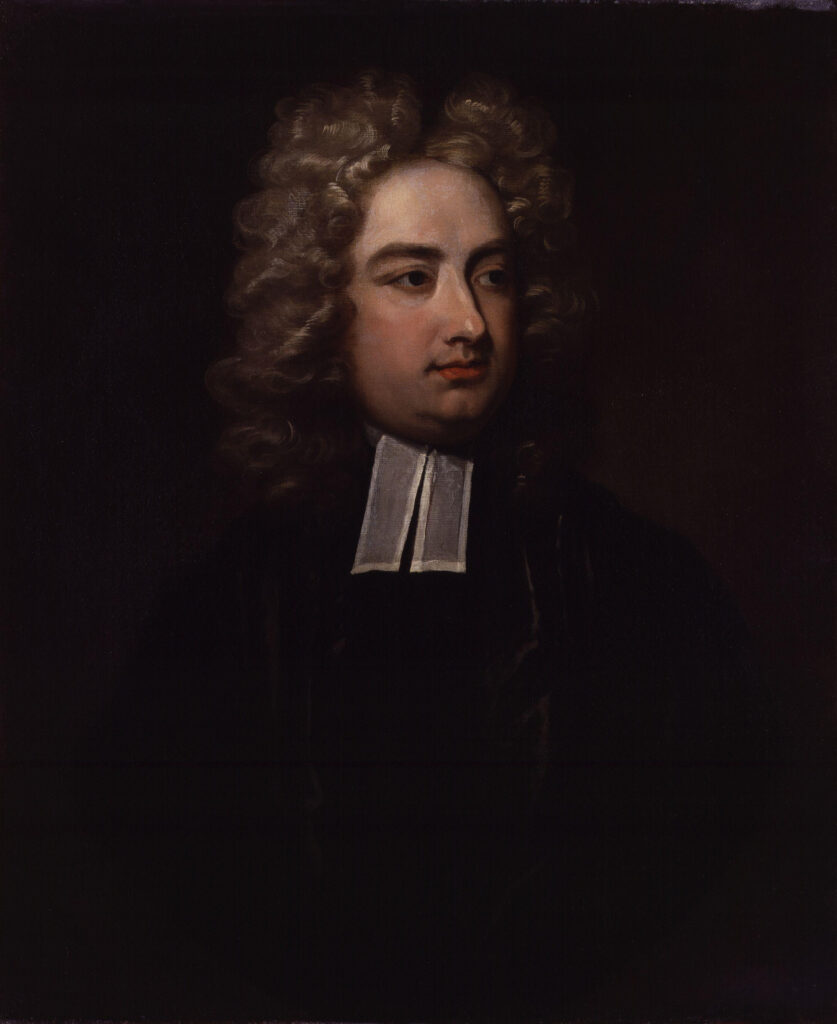
Jonathan Swift (1667 – 1745)

“Ah! A German and a genius! A prodigy—admit him!”

These were the deathbed words uttered by the author and cleric, most well known for writing Gulliver’s Travels, he was referring to composer George Frideric Handel who had come to visit him. Jonathan Swift passed away at the age of 77 from terminal dementia in his hometown of Dublin, leaving behind the bulk of his fortune to found a hospital for the mentally ill which still exists today.

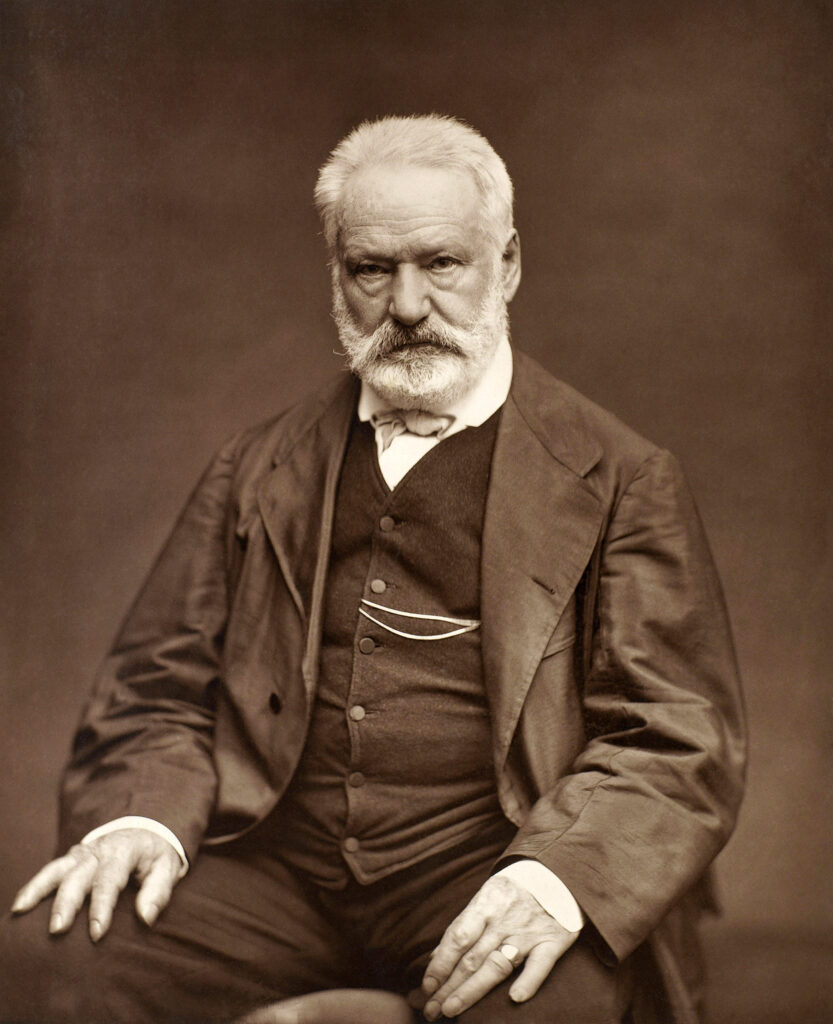
Victor Hugo (1802 – 1885)

“This is the fight of day and night. I see black light.”

These were the deathbed words of the Romantic writer and human rights activist, most well known for his masterpiece Les Misérables, as he lay dying from pneumonia. Victor Hugo passed away at his home in Paris at the age of 83, he was interred in the Panthéon and buried in a pauper’s coffin at his own request.

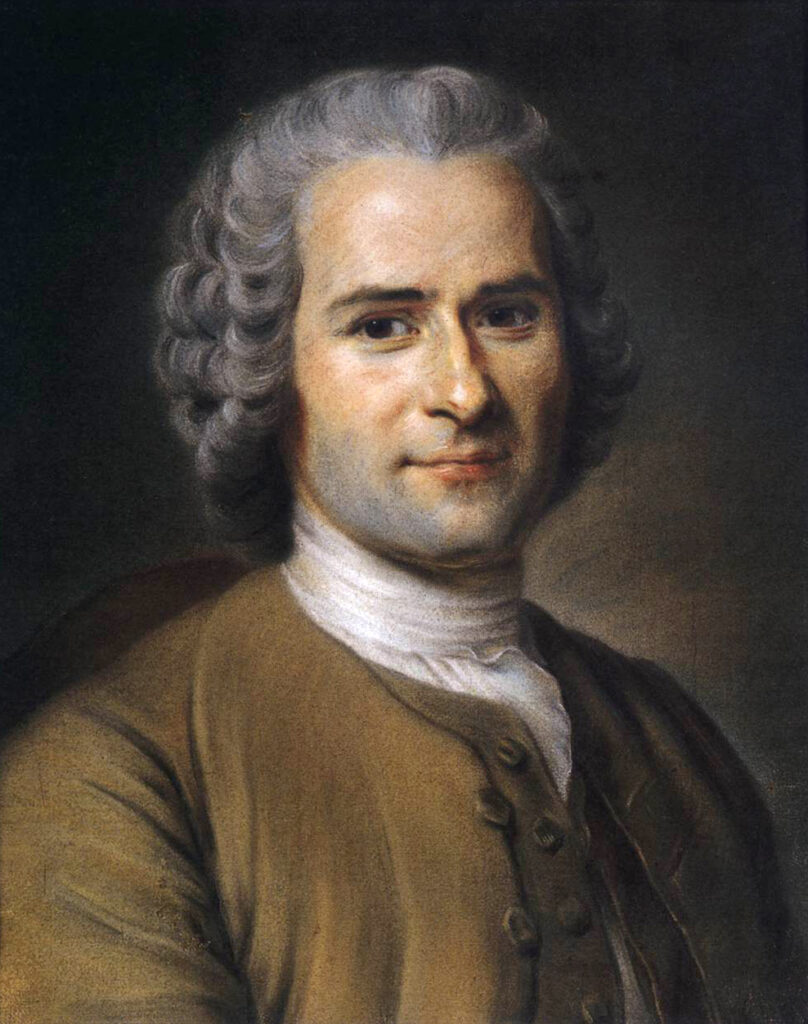
Rousseau (1712 – 1778)

“Throw up the window that I may see once more the magnificent scene of nature.”

Jean-Jacques Rousseau uttered these last words after suffering an apoplectic stroke as a result of bleeding on the brain – it’s believed that repeated falls may have contributed to Rousseau’s stroke. The philosopher and writer, author of ‘The Social Contract,’ passed away at a cottage on the estate of his benefactor Marquis de Girardin, he was 66 years old.

Herman Melville (1819 – 1891)

“God bless Captain Vere!”

These were the last words that Herman Melville muttered on his deathbed, a reference to a character from his final then-unpublished novella ‘Billy Budd, Sailor.’ The novelist and poet, most famous for his masterpiece Moby Dick, died at his residence in New York City he was 72 years old. The death certificate showed cardiac dilation / heart failure as the cause.

Emily Brontë (1818 – 1848)

“If you will send for a doctor, I will see him now.”

The novelist and poet, author of Wuthering Heights, uttered these final audible words to her sister Charlotte, asking for medical help which she had previously rejected. But it was too late and Emily Brontë died later that same day in her family home at the age of 30. The cause of death was given as inflammation of the lungs which may have accelerated an existing condition such as tuberculosis.

Robert Louis Stevenson (1850 – 1894)

“What’s that? Do I look strange?”

The novelist and poet uttered these final words to his wife Fanny Stevenson, before collapsing from a brain haemorrhage and dying a few hours later. Stevenson passed away at the age of 44 in the village of Vailima on the Pacific island Upolu part of the Kingdom of Samoa.

Dr Seuss (1904 – 1991)

“Yes. I’m not going to die tomorrow.”

These were the final words of the famous children’s author and illustrator Theodor Seuss Geisel, better known by the pen name Dr Seuss. Geisel passed away from cancer at his home in the La Jolla community of San Diego at the age of 87.

Leo Tolstoy (1828 – 1910)

“But the peasants.. how do the peasants die?”

According to some sources, the author and moral philosopher spent the last hours of his life preaching love, non-violence, and Georgism to fellow passengers on his train; and asked this final question of a station master in whose home he died. Leo Tolstoy passed away at the age of 82 from pneumonia at Astapovo railway station Russia.

Roald Dahl (1916 – 1990)

“Ow, fuck!”

With family at his bedside, a nurse administered a morphine injection – the prick of the needle startled Roald Dahl and these were his actual last words. The popular children’s author passed away at the age of 74 in John Radcliffe Hospital Oxford from a rare cancer of the blood.